The new business gatekeeper that can’t be taken out for lunch.
Selling in energy has always started with people. It still ends with them. What has changed is what sits in between.
For as long as I have known the energy industry, winning work has followed the same order. You make contact. Then you make the case.
The contact came first because it had to. Someone had to see your ad. Someone had to take your call, accept the meeting, agree to the site visit. Once you were in the room, the detail did the rest: the track record, the case studies, the safety numbers, the engineer who knows the asset better than anyone on the client's own team.
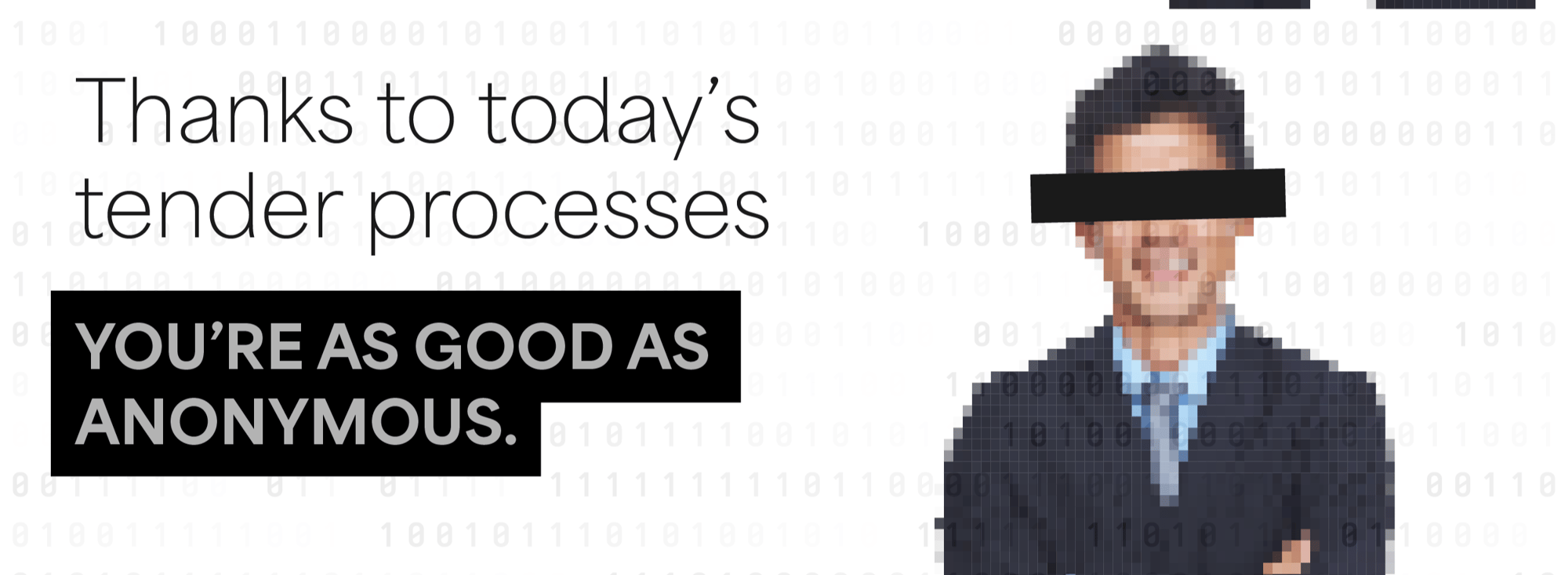
That order is reversing. Increasingly, you must make the case before you are allowed to make contact. And that case is not being made to a person.
The new gatekeeper in town.
From the PA guarding the diary to the prequalification form that runs to forty pages, this sector has always dealt with gatekeepers. We know how to handle those, because they are people, and people can be persuaded, charmed, waited out or won over eventually.
The gatekeeper we are dealing with now is AI, increasingly built into procurement systems. Gartner predicts that by 2028, 90% of B2B buying will pass through AI agents, carrying more than $15 trillion of spend. It has no ego to flatter, and it has no relationship with your competitor either. It is not biased for or against you. It simply does not know you exist unless it can find you, and it will not believe you unless it can find the proof to your claims.
You cannot buy it lunch. You cannot mention the job you did for its parent company in 2011. It does not care that you flew to Perth at two days' notice, or that your name is on the asset. It deals in what it can find and verify, and nothing else.
None of this makes relationships worth less. Everything this industry is good at still works. The decade of trust, the engineer who picked up at two in the morning when the platform went down is still the reason that client renews. When a human finally chooses between two credible suppliers, relationships, emotions, even gut feel will be the things that decide more often than not.
What has changed is when it gets to count. Rapport has become a second-round skill. It decides who wins, but increasingly it won’t decide who gets to compete. And a great many companies in this sector have built their entire commercial approach around a first round that no longer works the way it did.
In this new landscape, what does it take to get through a first round you cannot charm your way past?
For those in Singapore on the 16 October, you can find out how energy supply chain companies are tackling the challenge head on. We are running Business as UNusual with LinkedIn, the Energy Industries Council and Bureau Veritas, offering opinion from across the energy supply chain.
If you are responsible for winning work in energy across Asia Pacific, come and discuss with us. In a room. Like people.